<?xml version="1.0" encoding="utf-8"?><feed xmlns="http://www.w3.org/2005/Atom" ><generator uri="https://jekyllrb.com/" version="3.9.5">Jekyll</generator><link href="https://k0swe.radio/feed.xml" rel="self" type="application/atom+xml" /><link href="https://k0swe.radio/" rel="alternate" type="text/html" /><updated>2026-03-11T13:50:18+00:00</updated><id>https://k0swe.radio/feed.xml</id><title type="html">K0SWE Blog</title><subtitle>Events and projects for amateur radio operator K0SWE, a.k.a. Chris.</subtitle><entry><title type="html">HamCon Colorado</title><link href="https://k0swe.radio/2025/10/27/hamcon.html" rel="alternate" type="text/html" title="HamCon Colorado" /><published>2025-10-27T00:00:00+00:00</published><updated>2025-10-27T00:00:00+00:00</updated><id>https://k0swe.radio/2025/10/27/hamcon</id><content type="html" xml:base="https://k0swe.radio/2025/10/27/hamcon.html"><![CDATA[<p>Yesterday I returned home from HamCon Colorado 2025, which was held in Grand Junction. This was not
my first time <a href="/2023/08/14/albuquerque">attending</a> an ARRL Rocky Mountain Division Convention, but
it was my first time at HamCon specifically. Colorado hosts the division convention every ~4 years,
and we all know how 2020 and ‘21 turned out.</p>

<p>Luckily for me, my connections allowed me to be part of the organizing committee. I ended up helping
with the foxhunt in lieu of Dan Meyer, <code class="language-plaintext highlighter-rouge">N0PUF</code>, who was unable to attend for health reasons. Dan was
kind enough to loan his equipment to me, including a matched set of five fox transmitters consisting
of Alinco DJ-S11 HTs with homemade FoxMox controllers designed by Larry Benko, <code class="language-plaintext highlighter-rouge">W0QE</code>. Also in the
kit were several hides like a hollow landscaping rock and a pet cleanup bag dispenser.</p>

<p>I ended up driving up on Thursday afternoon, which gave me time to help set up the venue and get the
lay of the land. We were based at the DoubleTree by Hilton Grand Junction, which was a very nice
hotel with plenty of room for the event. I spent much of Friday programming a replacement for
Indico, the presentation management system we used, since nobody really liked it (too complex for
what we need). It wasn’t strictly necessary to start this during the convention, but I felt I had
the necessary focus time to make major progress.</p>

<p>Most of Saturday was dedicated to the foxhunt. I was up early to set up the five foxes around the
hotel property. Four of them I considered between easy and moderate, with hides like the landscaping
rock and the pet bag dispenser, and one behind a bush. The fifth fox was the “evil” one, which I
placed on the eighth floor of the hotel near the ice machine. They could hear it all around the
property, but would have to realize there was a vertical component to the hunt to find it. Many of
my participants ended up being relative newcomers to foxhunting, and on average found three of the
foxes in an hour or two. Only one impromptu team found all five! Most of the participants agreed
that it was fun and that foxhunts should be held more often by more groups.</p>

<p>Unfortunately, there was a small tragedy when I was collecting the foxes after the hunt. The fox on
the eighth floor was missing! After a thorough search of the area and foxhunting for my own fox, I
tracked it down to the hotel’s main compacting dumpster. It appears that a hotel staff member had
mistaken it for trash and thrown it away. Given that the dumpster was potentially dangerous to
access, I concluded it wasn’t worth the risk to retrieve it. So I had to break the news to Dan that
his fox was lost. I’m going to have to build him a new one.</p>

<p>Sunday was mostly taken up with tear-down and travel. I had a great time at HamCon Colorado and look
forward to attending again in the future!</p>]]></content><author><name></name></author><summary type="html"><![CDATA[Yesterday I returned home from HamCon Colorado 2025, which was held in Grand Junction. This was not my first time attending an ARRL Rocky Mountain Division Convention, but it was my first time at HamCon specifically. Colorado hosts the division convention every ~4 years, and we all know how 2020 and ‘21 turned out.]]></summary></entry><entry><title type="html">Home Assistant</title><link href="https://k0swe.radio/2024/05/09/home-assistant.html" rel="alternate" type="text/html" title="Home Assistant" /><published>2024-05-09T00:00:00+00:00</published><updated>2024-05-09T00:00:00+00:00</updated><id>https://k0swe.radio/2024/05/09/home-assistant</id><content type="html" xml:base="https://k0swe.radio/2024/05/09/home-assistant.html"><![CDATA[<p>In a slight departure from my usual amateur radio topics, I’ve been busy setting up more smart home
stuff. I’ve been curious about home automation for several years and slowly accumulating things like
Google Home speakers, Leviton dimmer switches and Nest outdoor cameras. However, using the Google
Home app as the central integration point and relying on WiFi for communication for everything has
been showing its limitations lately.</p>

<p>Enter <a href="https://www.home-assistant.io/">Home Assistant</a>, an open-source home automation platform that
focuses on local control and privacy. I have several work friends that have rave reviews of Home
Assistant, so I decided to give it a try. This has required revamping a lot of my basic home IT
infrastructure: I picked up a used workstation from
<a href="https://www.theserverstore.com/">The Server Store</a> to use as a home lab server (for more than just
HA), and have replaced my Google WiFi mesh network with a Unifi setup. To add communication options,
I also picked up a <a href="https://www.amazon.com/gp/product/B01GJ826F8">GoControl HUSBZB-1</a> USB stick that
supports both Zigbee and Z-Wave.</p>

<p>From there, I’ve been setting up Home Assistant on the server, adding integrations for existing
devices and services, and adding new devices. Most things have been wonderfully easy. Considering
it’s open source, Home Assistant is really well polished in terms of usability and seamless
integration. I’ve added quite a few ThirdReality Zigbee devices like
<a href="https://www.amazon.com/gp/product/B09MVKWBFF/">motion</a>,
<a href="https://www.amazon.com/gp/product/B09XCWRHCT/">door</a>, and
<a href="https://www.amazon.com/gp/product/B0BLTNZSQK/">temperature</a> sensors,
<a href="https://www.amazon.com/gp/product/B0BPY5D1KC/">wall plugs</a>, and some
<a href="https://www.amazon.com/gp/product/B08428JSDZ/">Innr color light bulbs</a>. I was even pleasantly
surprised to see that my OctoPi 3D printer server popped right in!</p>

<p>I have some overriding goals for my smart home:</p>

<ol>
  <li>Value add. Walking into a room turns on the lights, saving effort; the lights turn off when no
one is there, saving energy. Notifications let us know when the garage door is left open or when
the girls have dance class. The thermostat prioritizes rooms that are actually in use.</li>
  <li>Spouse-approved. I don’t want to make things more complicated for my family or guests. Everything
should be intuitive and reliable.</li>
  <li>Fail-open operation. I don’t want to have to worry about my home being unusable if a sensor, the
internet, WiFi or local HA server are down. Wall switches and the thermostat still need to do
their basic job. Everything needs to revert to a dumb appliance in the absence of smart control.</li>
</ol>

<p>I wonder how hard it would be to add ham radio info to Home Assistant? “There’s DX on 20m…”</p>]]></content><author><name></name></author><summary type="html"><![CDATA[In a slight departure from my usual amateur radio topics, I’ve been busy setting up more smart home stuff. I’ve been curious about home automation for several years and slowly accumulating things like Google Home speakers, Leviton dimmer switches and Nest outdoor cameras. However, using the Google Home app as the central integration point and relying on WiFi for communication for everything has been showing its limitations lately.]]></summary></entry><entry><title type="html">Foxhunt</title><link href="https://k0swe.radio/2024/04/15/foxhunt.html" rel="alternate" type="text/html" title="Foxhunt" /><published>2024-04-15T00:00:00+00:00</published><updated>2024-04-15T00:00:00+00:00</updated><id>https://k0swe.radio/2024/04/15/foxhunt</id><content type="html" xml:base="https://k0swe.radio/2024/04/15/foxhunt.html"><![CDATA[<p><img src="/assets/2024-04-14-foxhunt-lunch.jpg" alt="Foxhunt lunch" /></p>

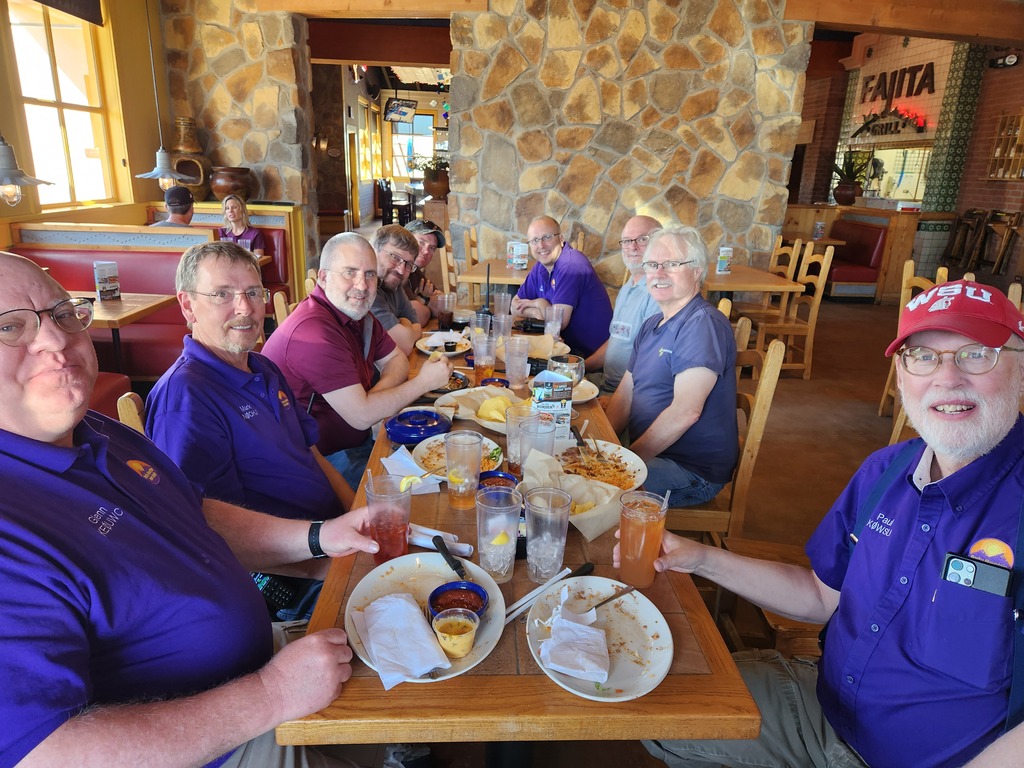
<p>Yesterday, RMHAM hosted their first big ARDF foxhunt in a while. I’ve run two foxhunts for high
school students before, but this is the first city-scale foxhunt I’ve participated in.</p>

<p>In addition to the traditional tools of the trade, an HT, yagi and offset attenuator, I was using
something special: a KrakenSDR. The receiver consists essentially of five RTL-SDR dongles (five sets
of R820T2 and RTL2832U chips) tied to a signle clock source, which lets it calculate the direction
of arrival (DOA) of signals. Instead of jumping out of the car and spinning around with the yagi, I
can just drive around and let the Kraken sample every few seconds. Even if each sample is not quite
as accurate, the Kraken can take many more samples and average them to get a more accurate result.</p>

<p>Yesterday morning as the event started, I felt good about my chances of being successful. When the
fox started transmitting, I was able to get some pings and start driving generally towards it. I
wish I’d had a separeate driver with me so I could focus on the Kraken, but as it was, I sort of
noticed the Kraken’s predicted target was jumping around a little bit as the samples came in. After
a couple of miles of driving I turned on the turn-by-turn navigation in the Kraken app and started
following it. The pings kept getting stronger, and I was getting closer. Eventually I turned into a
suburban neighborhood that was a rabbit-warren of criss-crossing roads; if I had been using the yagi
I would have had a very hard time. But the Kraken knew where the fox was and the navigation was
spot-on.</p>

<p>The fox was located at a house that was only obvious because of the antennas on the roof. I parked,
rang the doorbell, and sure enough, this was the place! I was the first one to find the fox. John
<code class="language-plaintext highlighter-rouge">W0VG</code> and Mark <code class="language-plaintext highlighter-rouge">N0OHJ</code> hadn’t even finished getting their coffee yet. I was pretty proud of myself.</p>

<p>Admittedly, this was designed to be an easy foxhunt. The fox was transmitting at 20W from a pretty
high location, without any tricky terrain. Robert <code class="language-plaintext highlighter-rouge">N0CFM</code> talked about some of the foxhunts he’s
run, and one in particular where he was transmitting from a low canyon and the signal was bouncing
off a rock formation outside the search boundary. That would be a lot harder to find even with the
Kraken. Still, have to start somewhere!</p>]]></content><author><name></name></author><summary type="html"><![CDATA[]]></summary></entry><entry><title type="html">ColMon</title><link href="https://k0swe.radio/2024/01/29/colmon.html" rel="alternate" type="text/html" title="ColMon" /><published>2024-01-29T00:00:00+00:00</published><updated>2024-01-29T00:00:00+00:00</updated><id>https://k0swe.radio/2024/01/29/colmon</id><content type="html" xml:base="https://k0swe.radio/2024/01/29/colmon.html"><![CDATA[<p><img src="/assets/cornell-ashen-cabin.jpg" alt="Cornell Ashen Cabin" /></p>

<p>I’m beginning a project with Willem <code class="language-plaintext highlighter-rouge">AC0KQ</code> to build an AllMon replacement for the Colorado
Connection. The <a href="https://colcon.org">Colorado Connection</a> is a network of
<a href="https://allstarlink.org/">AllStarLink</a> linked analog repeaters spanning across the state of
Colorado. It’s a great resource for hams in the state, but the
<a href="https://community.allstarlink.org/c/allmon/13">AllMon</a> web interface is a bit dated. We’re calling
our replacement ColMon, and it will be customized to our needs.</p>

<p>Willem built a working prototype before I joined the project. We’ve worked together a little bit in
the past, and I respect him a lot, so I’m excited to be working with him on this project. That said,
we come from different generations of programming. Willem’s systems are usually written in C or
Perl, using Apache CGI for dynamic web pages and hand-rolled HTML, CSS and JavaScript, and plaintext
protocols with tab-separated fields and newline record separators. I’m more comfortable using
Angular TypeScript and Golang, with a preference for REST APIs and JSON.</p>

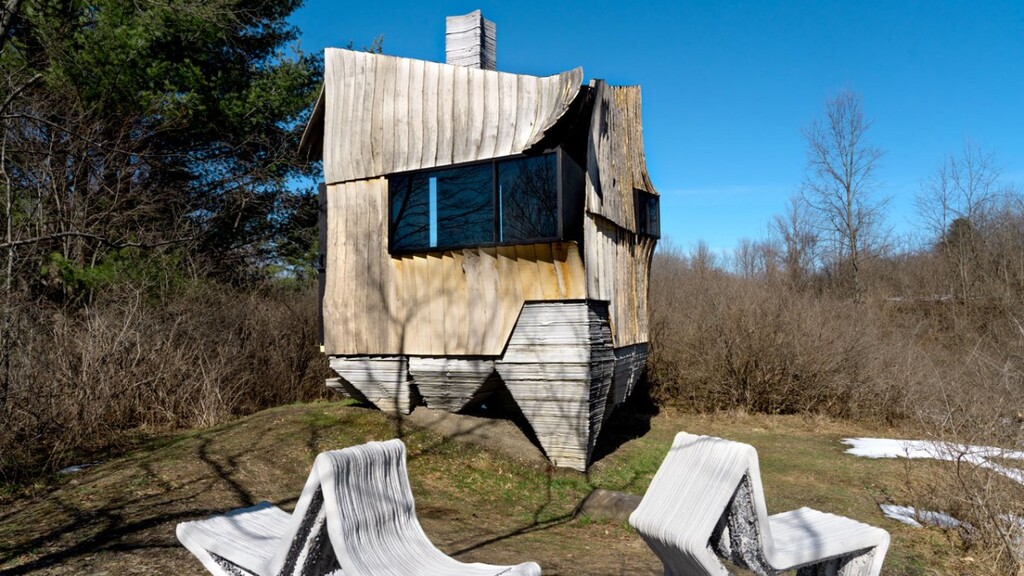
<p>The analogy I’ve landed on is that he’s used to hand-crafting beautiful log cabins, while I’m ready
to bring in the house-sized 3D printer. Is either approach better or worse? No, they both have pros
and cons, but we’ll both have to get out of our comfort zones and work together to find a middle
ground where we can both be productive.</p>

<p>With some luck, our skills together will come up with a beautiful and innovative fusion like the
<a href="https://news.cornell.edu/stories/2020/05/cabin-project-upcycles-ash-trees-sustainable-architecture">Cornell Ashen Cabin</a>.</p>]]></content><author><name></name></author><summary type="html"><![CDATA[]]></summary></entry><entry><title type="html">Starting with SATRAN</title><link href="https://k0swe.radio/2023/11/25/rotator.html" rel="alternate" type="text/html" title="Starting with SATRAN" /><published>2023-11-25T00:00:00+00:00</published><updated>2023-11-25T00:00:00+00:00</updated><id>https://k0swe.radio/2023/11/25/rotator</id><content type="html" xml:base="https://k0swe.radio/2023/11/25/rotator.html"><![CDATA[<p><img src="/assets/satran-grey.jpg" alt="SATRAN" /></p>

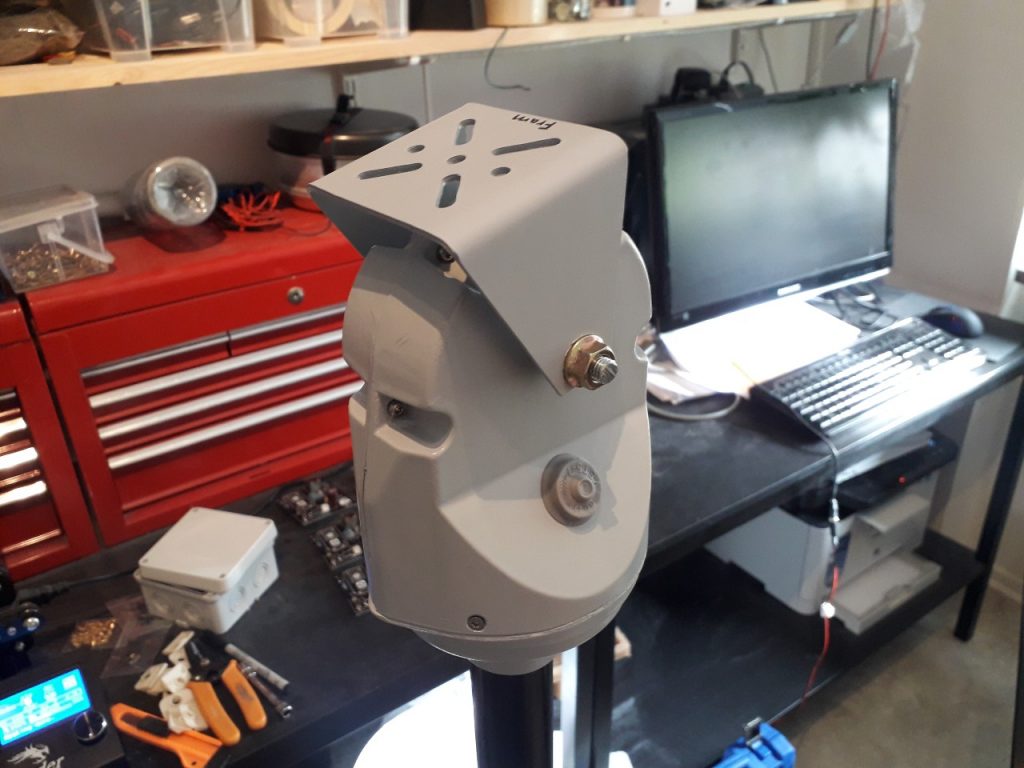
<p>Way back in 2019 I got an <a href="https://k0swe.radio/2019/11/22/amsat-ariss.html">introduction to AMSAT</a>,
and have been interested in making contacts ever since. I picked up an Arrow antenna,
<a href="https://k0swe.radio/2019/12/04/baby-steps-toward-ariss.html">collected some telemetry</a>, and even
tried making QSOs once, but the extreme level of multitasking was overwhelming. The one thing I’ve
been really keen to automate has been tracking: keeping the antenna pointed at the satellite
throughout its pass. Automating that part requires an azimuth-elevation (az/el) rotator. The most
well-known option for that is the Yaesu G-5500 rotator which retails new for about $700, too
expensive to justify using once or twice while I see if I enjoy working AMSAT regularly. I’ve kept
my eyes open for lighter-weight options, and one that stuck out was <a href="https://satran.io">SATRAN</a> by
Daniel Nikolajsen, <code class="language-plaintext highlighter-rouge">SM7YSA</code>. For a while, it was sold as a kit, but mainly in Europe and explicitly
not to the US or Canada.</p>

<p>Well, it seems SATRAN is no longer being sold as a kit, but the plans to build it are available, so
I’ve finally decided to build my own. Daniel published pretty much everything necessary to get it
going: STL files to 3D print the enclosure, Gerber files to order PCBs, scale drawings to cut sheet
metal parts, and firmware code. I’ve spent some time reverse-engineering which electrical components
need to go on the PCBs, as well as started prepping and 3D printing the housing. For the two sheet
metal parts, there’s a service called OSH Cut that I think I’ll try. They seem to be tangentially
related to OSH Park who I’ve used in the past for PCBs. However, Daniel only published PDF printable
templates, not DXF CAD drawings, so I’ll have to redraw those in CAD to be able to send them off.</p>

<p>It might take a while to gather all of the different bits and pieces of this project, but I think it
will be rewarding to put together, especially if it gives me a workable AMSAT tool in the end!</p>]]></content><author><name></name></author><summary type="html"><![CDATA[]]></summary></entry><entry><title type="html">ARRL Rocky Mountain Division Convention in Albuquerque</title><link href="https://k0swe.radio/2023/08/14/albuquerque.html" rel="alternate" type="text/html" title="ARRL Rocky Mountain Division Convention in Albuquerque" /><published>2023-08-14T00:00:00+00:00</published><updated>2023-08-14T00:00:00+00:00</updated><id>https://k0swe.radio/2023/08/14/albuquerque</id><content type="html" xml:base="https://k0swe.radio/2023/08/14/albuquerque.html"><![CDATA[<p>This year’s ARRL Rocky Mountain Division Convention was this past weekend in Albuquerque. The
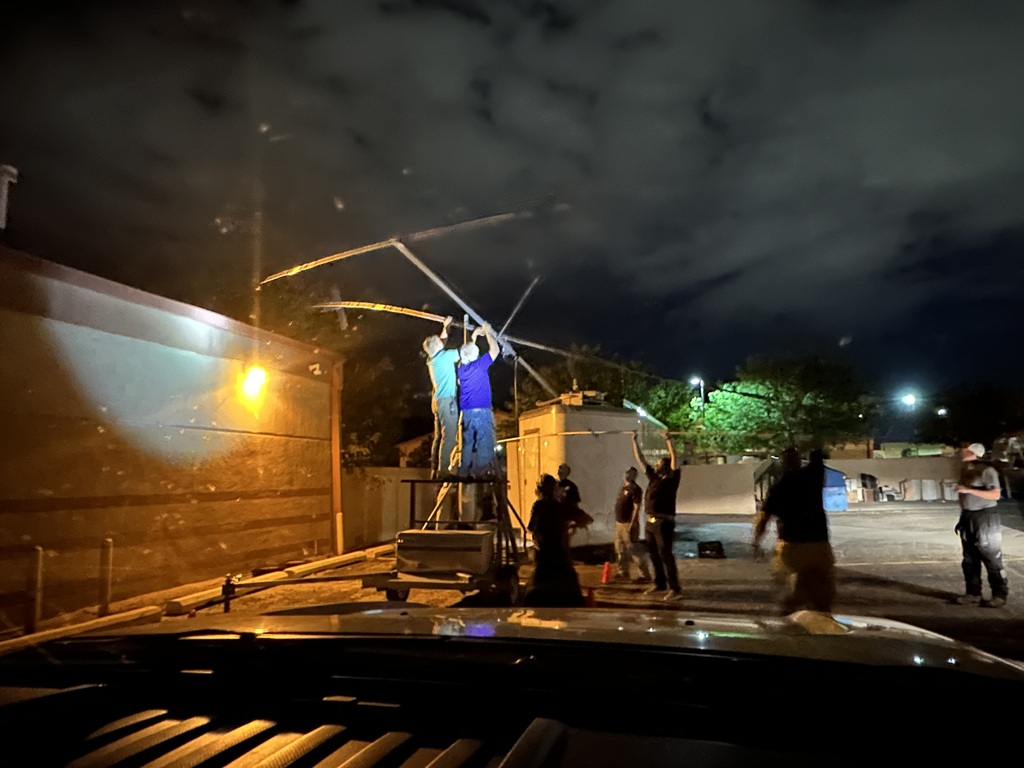
original planners had backed out a couple of months before their event, so the Rocky Mountain Ham
New Mexico team quickly threw together a replacement event. I attended both because I had never been
to a division convention before, plus to be an extra hand to the RMHAM NM team.</p>

<p>There was meant to be a <a href="https://en.wikipedia.org/wiki/Very_Large_Array">Very Large Array</a> tour the
Friday before the event, but unfortunately that was cancelled due to a power outage. Instead, many
of the RMHAM Colorado folks and I travelled a short way to Los Alamos to experience the Bradbury
Museum and the Fuller Lodge.</p>

<p>After that, the event proper was underway.</p>

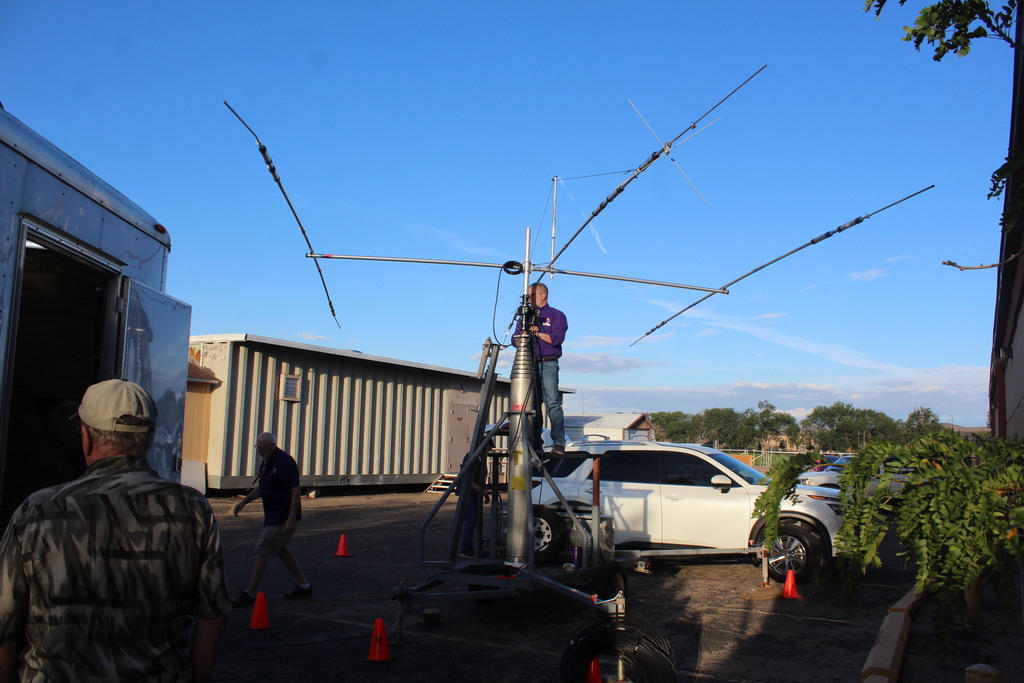
<p><img src="/assets/2023-08-11_22-48_tribander.JPG" alt="Setting up the tribander antenna for the event station" /></p>

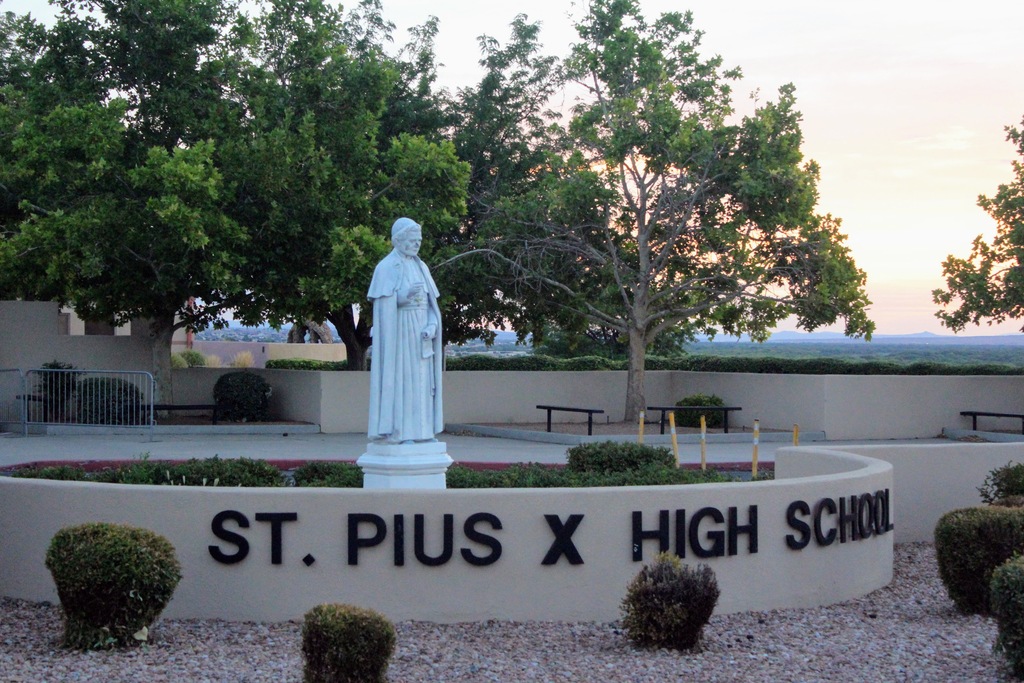
<p><img src="/assets/2023-08-12_06-28_st-pius-x.JPG" alt="Most of the event was at the beautiful campus of Saint Pius X Catholic High School" /></p>

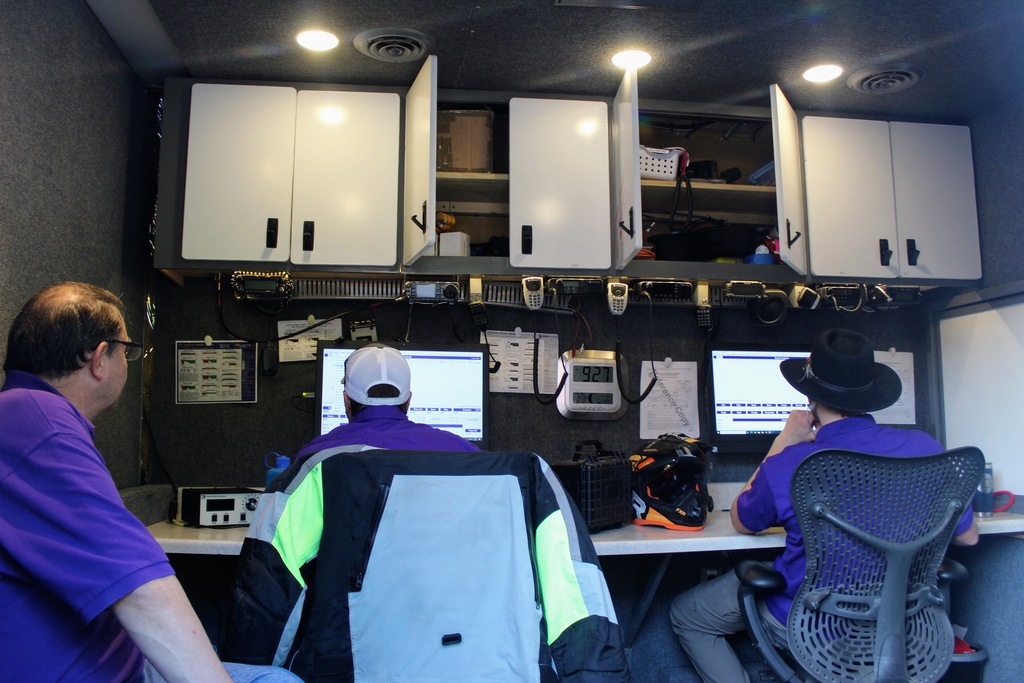
<p><img src="/assets/2023-08-12_07-19_event-station.JPG" alt="Setting up the event station in the morning" /></p>

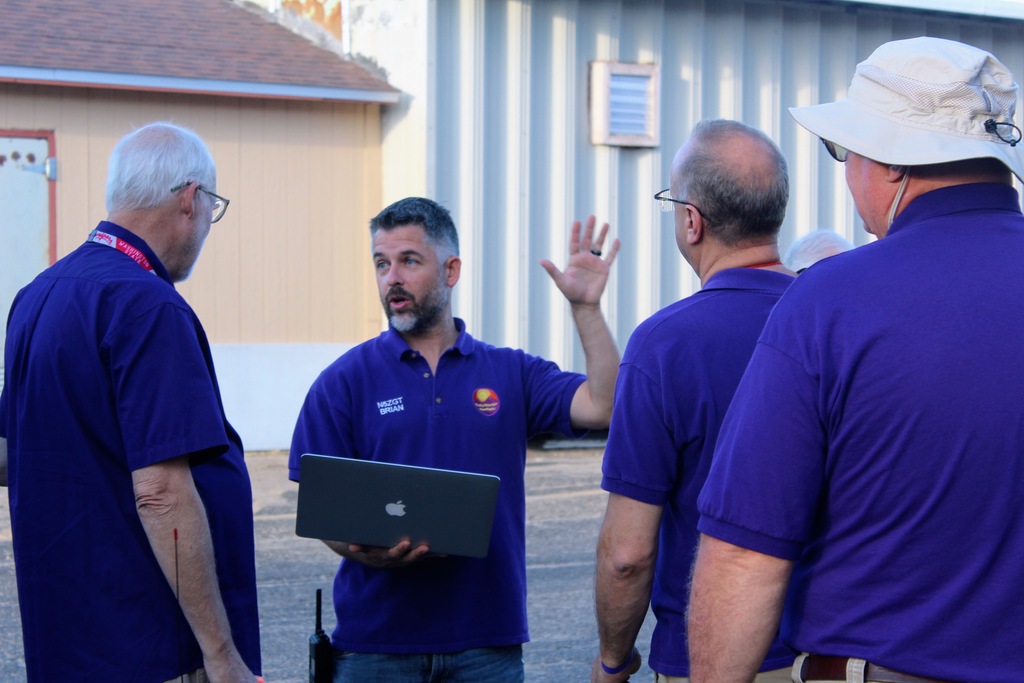
<p><img src="/assets/2023-08-12_07-30_brian.JPG" alt="Brian `N5ZGT` was the event director" /></p>

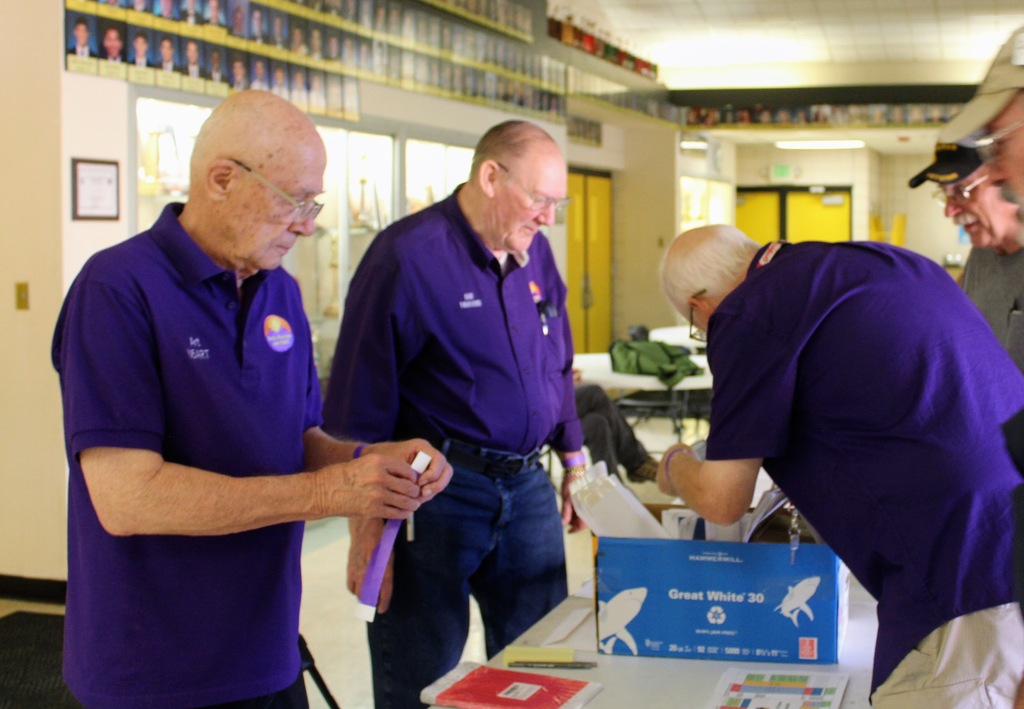
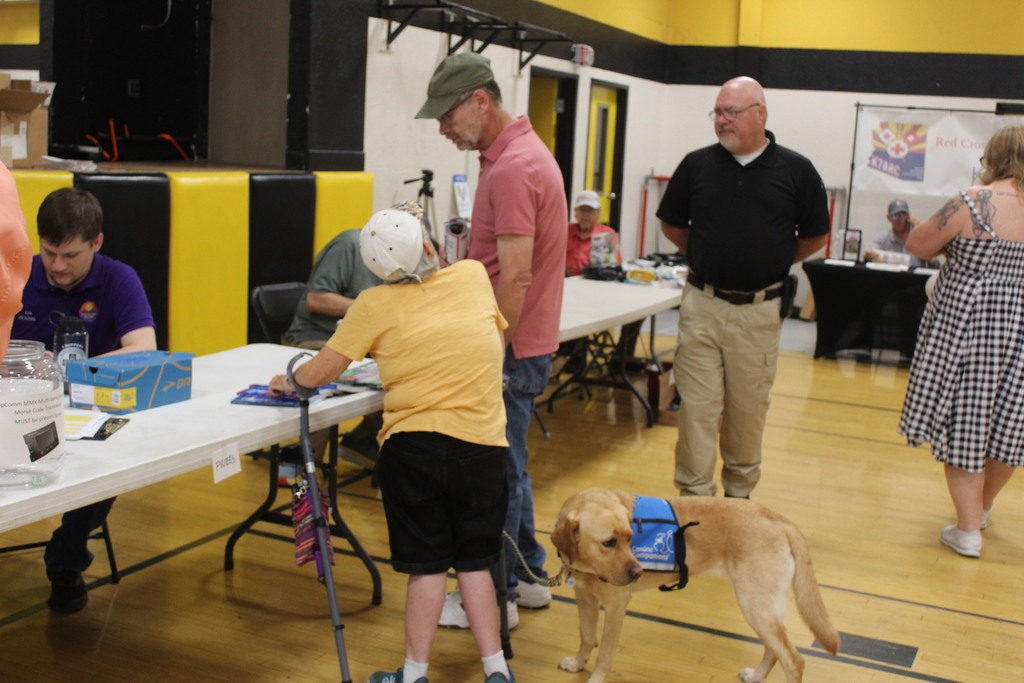
<p><img src="/assets/2023-08-12_07-42_registration.JPG" alt="Warm welcomes at the registration table" /></p>

<p><img src="/assets/2023-08-12_08-32_event-station.JPG" alt="Operating the special event station" /></p>

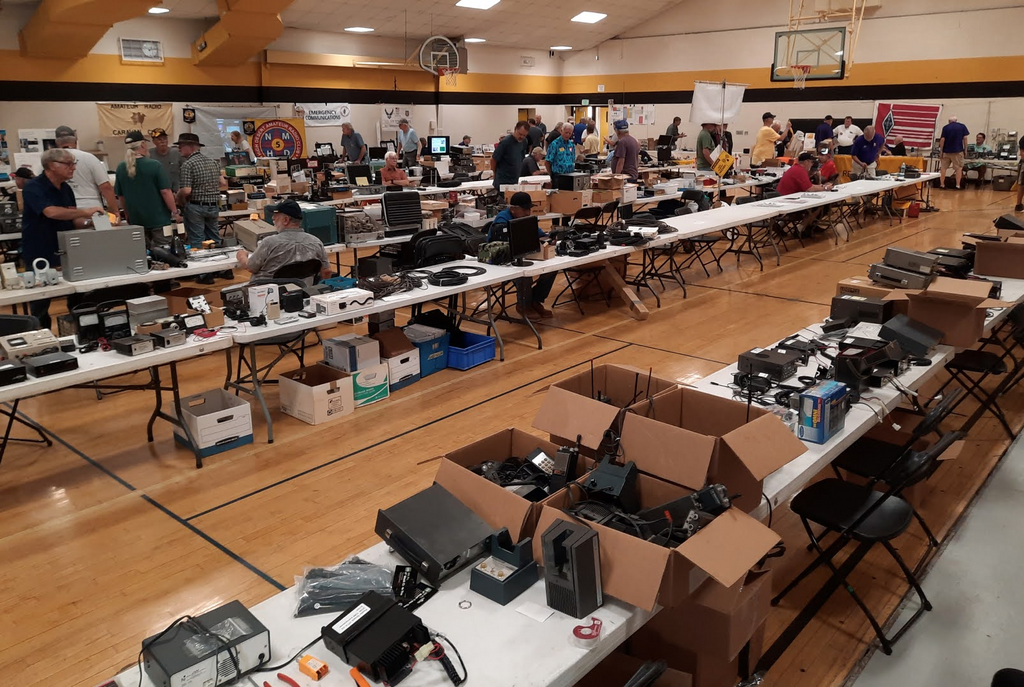
<p><img src="/assets/2023-08-12_hamfest.png" alt="Treasures to be found at the swap meet" /></p>

<p><img src="/assets/2023-08-12_08-34_prize-table.JPG" alt="Everyone's excited for the prizes" /></p>

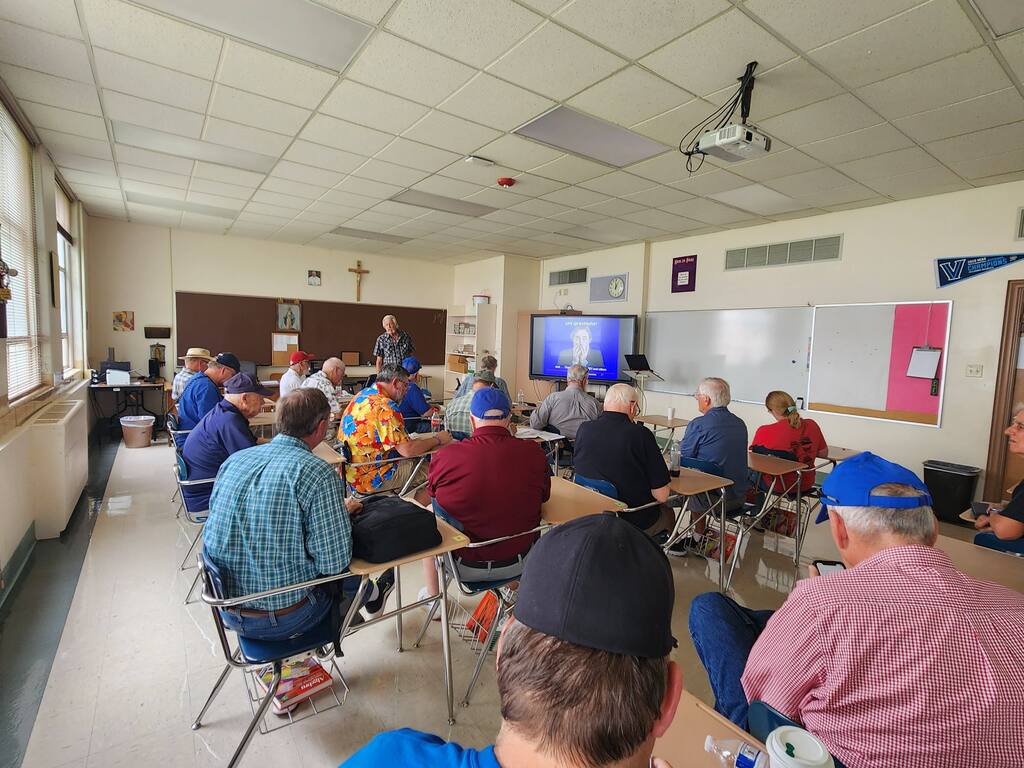
<p><img src="/assets/2023-08-12_12-58-classroom.jpg" alt="A great slate of interesting classes" /></p>

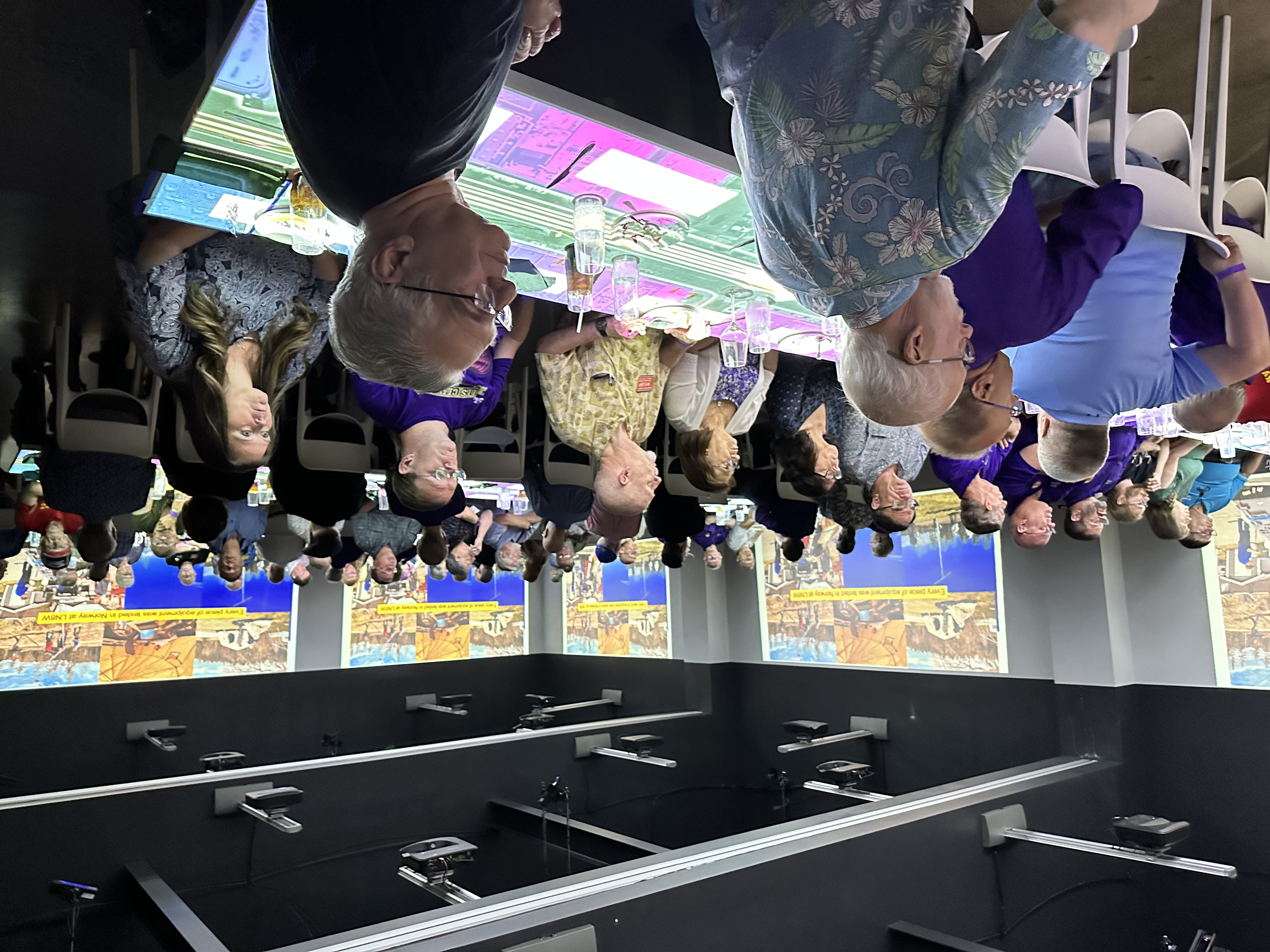
<p><img src="/assets/2023-08-12_19-25-banquet.jpeg" alt="At the banquet dinner we got to hear about the challenging Bouvet Island DXpedition" /></p>

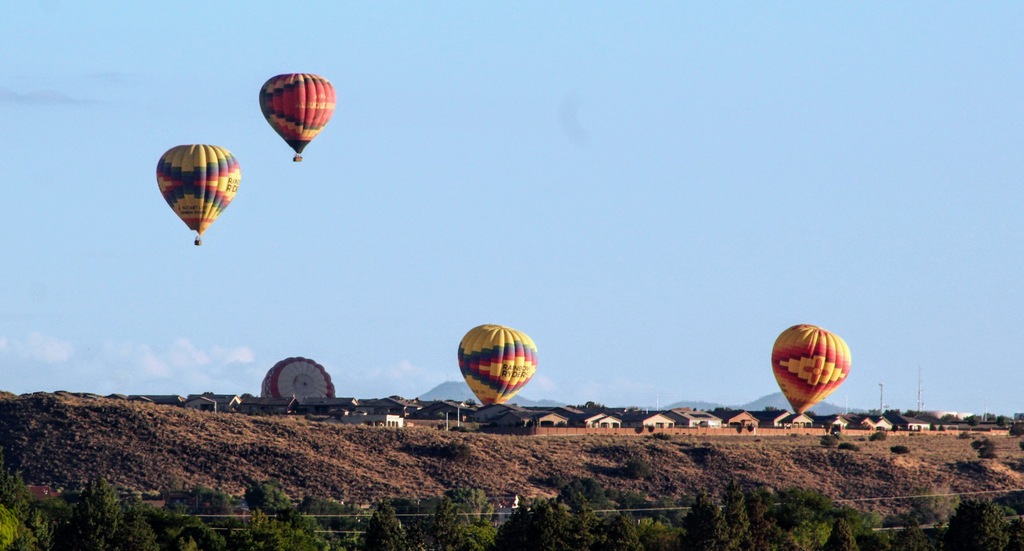
<p><img src="/assets/2023-08-13_07-11_balloons.JPG" alt="Beautiful hot air balloons as a very Albuquerque background" /></p>]]></content><author><name></name></author><summary type="html"><![CDATA[This year’s ARRL Rocky Mountain Division Convention was this past weekend in Albuquerque. The original planners had backed out a couple of months before their event, so the Rocky Mountain Ham New Mexico team quickly threw together a replacement event. I attended both because I had never been to a division convention before, plus to be an extra hand to the RMHAM NM team.]]></summary></entry><entry><title type="html">Field Day</title><link href="https://k0swe.radio/2023/06/26/field-day.html" rel="alternate" type="text/html" title="Field Day" /><published>2023-06-26T00:00:00+00:00</published><updated>2023-06-26T00:00:00+00:00</updated><id>https://k0swe.radio/2023/06/26/field-day</id><content type="html" xml:base="https://k0swe.radio/2023/06/26/field-day.html"><![CDATA[<p>I’m just coming back from another fabulous Field Day spent with RMHAM! Words hardly do the event
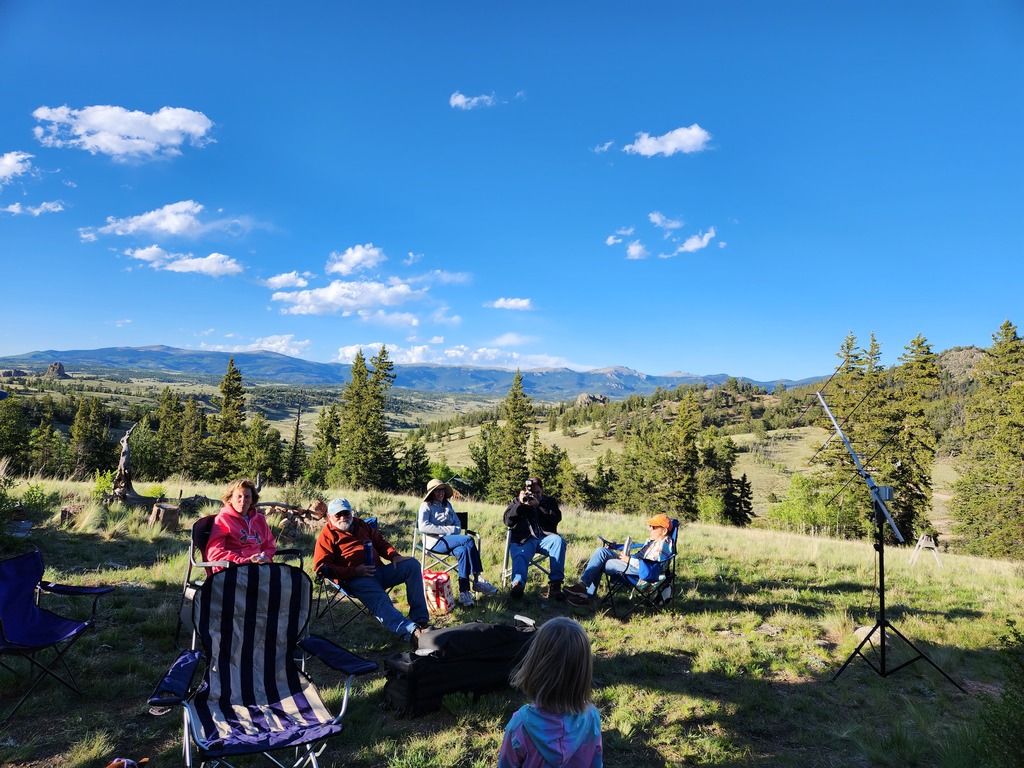
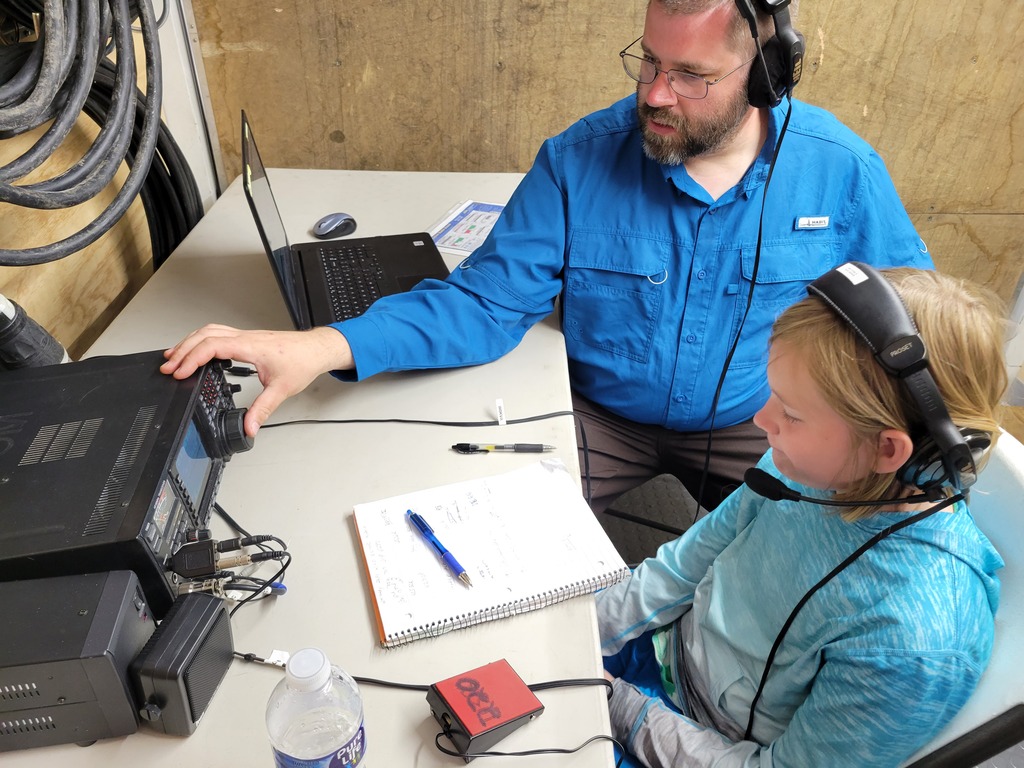
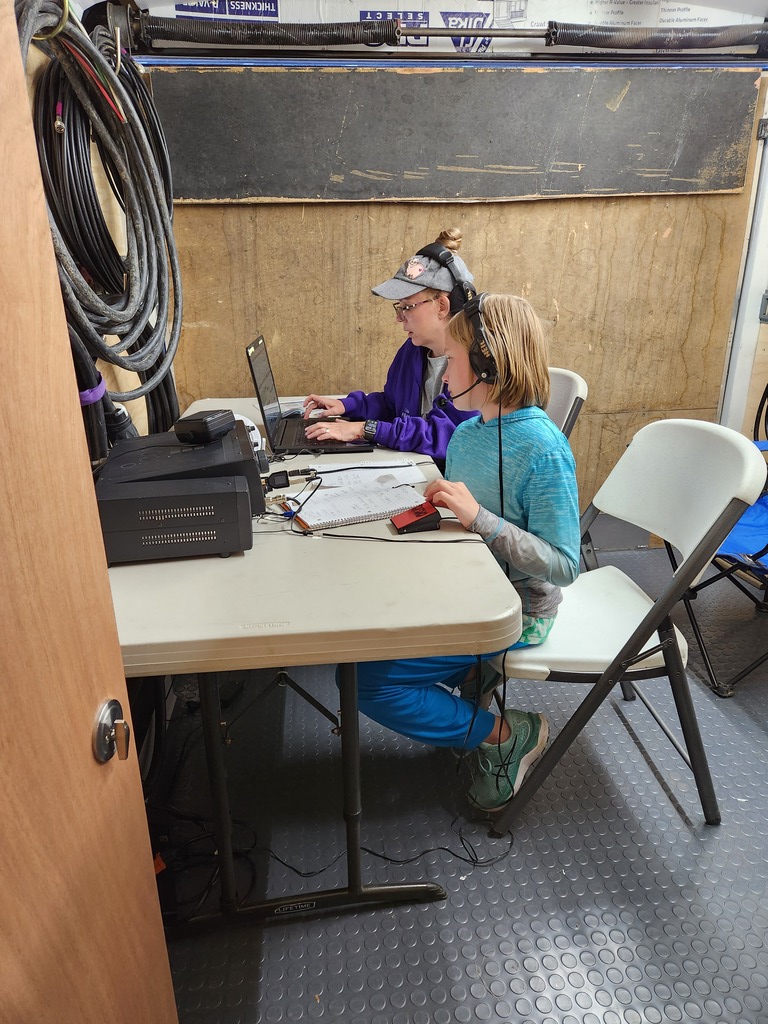
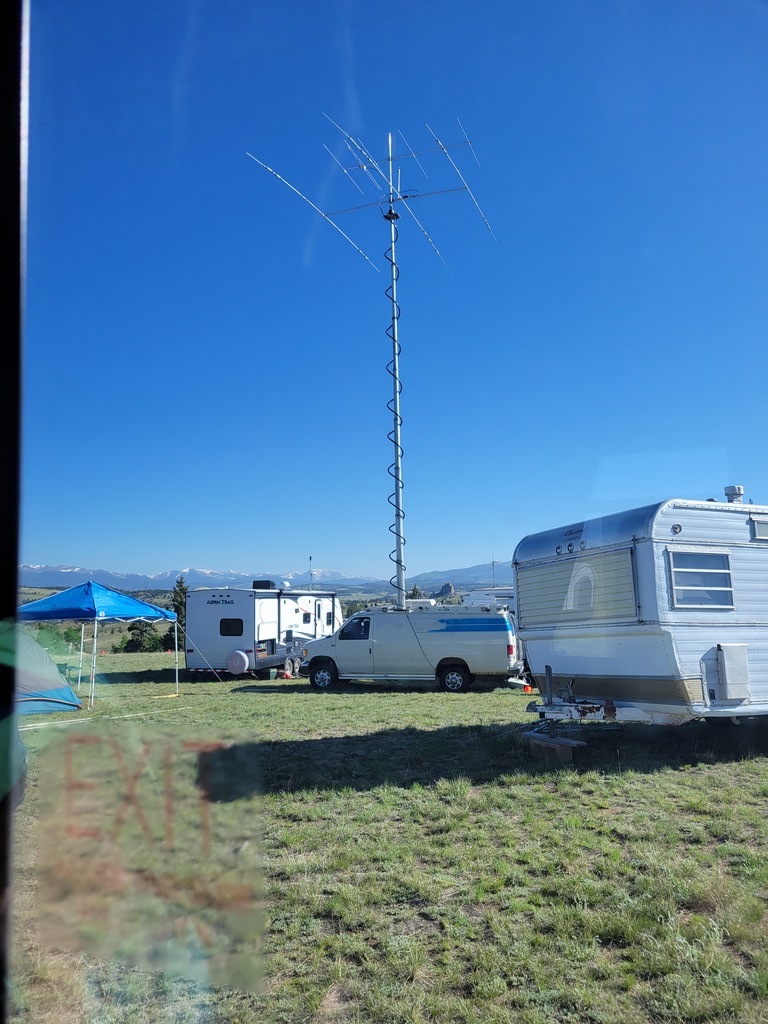
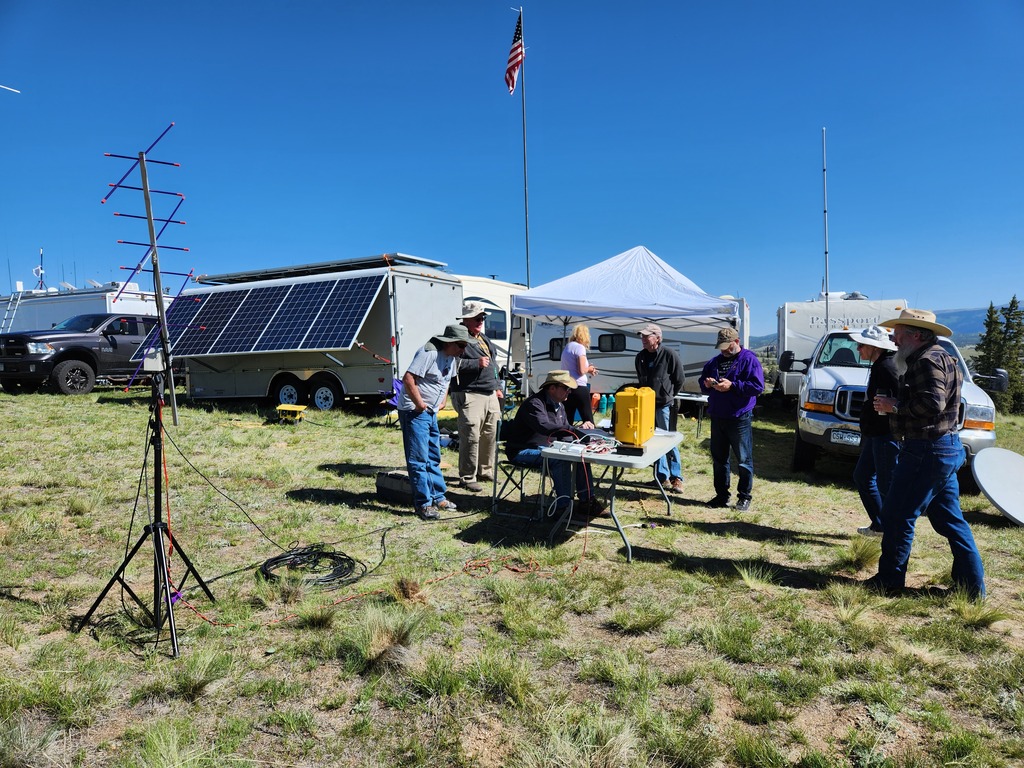
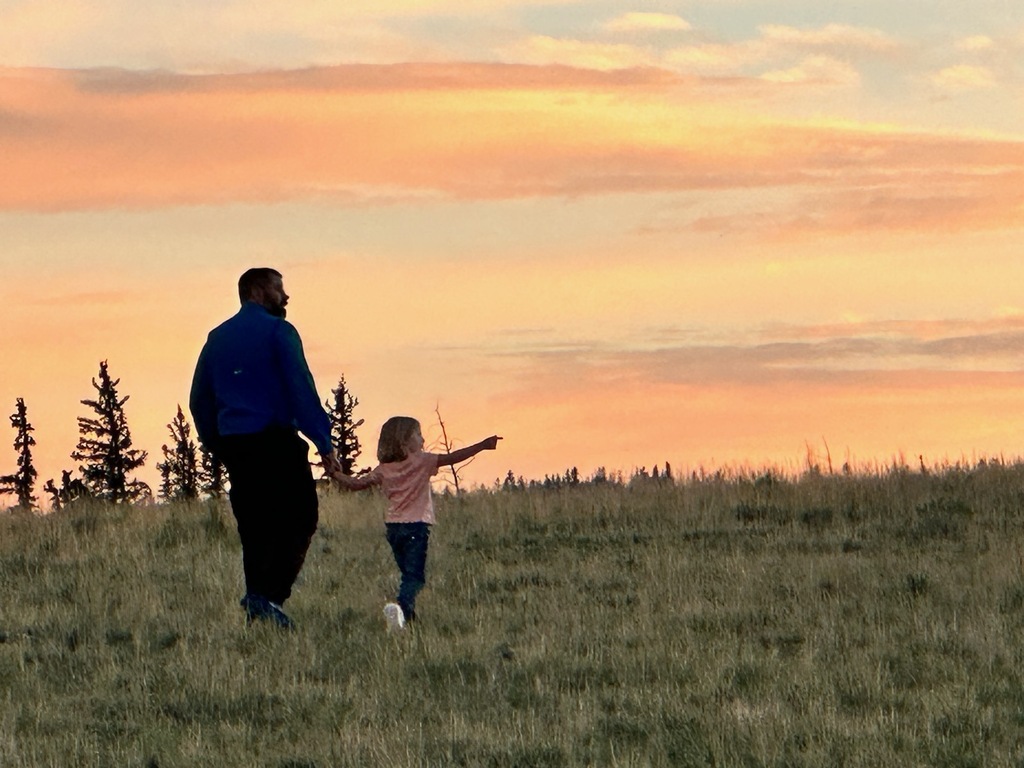
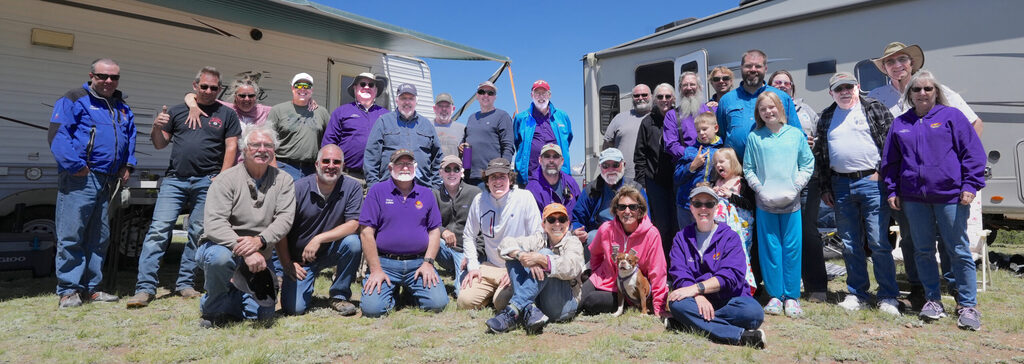
justice, so take a look at some of the pictures!</p>

<p><img src="/assets/2023-06-23_19-03.jpg" alt="Hanging out in the afternoon" /></p>

<p><img src="/assets/2023-06-24_13-35.jpg" alt="Kaylee on GOTA with me" /></p>

<p><img src="/assets/2023-06-24_19-07.jpg" alt="Kaylee on GOTA with Lisa" /></p>

<p><img src="/assets/2023-06-25_08-33.jpg" alt="QRV with the FT8 station" /></p>

<p><img src="/assets/2023-06-25_09-34.jpg" alt="Satellite station with the bunk trailer in the background" /></p>

<p><img src="/assets/2023-06-26_21-17.jpg" alt="Ava and I taking a sunset stroll" /></p>

<p><img src="/assets/2023-06-24-field-day-crew.jpg" alt="The whole RMHAM Field Day crew" /></p>

<p>This was my family’s first RV trip, so we rented from Cruise America and had a wonderful time. This
was also my first time taking the entire clan up to Field Day. I got all of them on the Get On The
Air (GOTA) station to make a few contacts, and my older daughter is seriously hooked! She made
almost 30 QSOs and probably would have kept going if there had been time.</p>

<hr />

<p>Edit: John <code class="language-plaintext highlighter-rouge">W0VG</code> posted a video, <a href="https://www.youtube.com/watch?v=hXDzzWUICxc">check it out</a>!</p>]]></content><author><name></name></author><summary type="html"><![CDATA[I’m just coming back from another fabulous Field Day spent with RMHAM! Words hardly do the event justice, so take a look at some of the pictures!]]></summary></entry><entry><title type="html">Catalog Progress</title><link href="https://k0swe.radio/2023/05/26/catalog-progress.html" rel="alternate" type="text/html" title="Catalog Progress" /><published>2023-05-26T00:00:00+00:00</published><updated>2023-05-26T00:00:00+00:00</updated><id>https://k0swe.radio/2023/05/26/catalog-progress</id><content type="html" xml:base="https://k0swe.radio/2023/05/26/catalog-progress.html"><![CDATA[<p>I’ve been plugging away at the <a href="/2023/03/29/catalog.html">ARES Catalog</a> project. After negotiating
some clearer requirements, I set out building a prototype with <a href="https://nextjs.org/">Next.JS</a>.</p>

<p>For the database, I started out with <a href="https://www.postgresql.org/">Postgres</a> using the
<a href="https://www.prisma.io/nextjs">Prisma</a> library. I experimented at first with writing my own Next.JS
server-side API, then using <a href="https://github.com/premieroctet/next-crud">Next-CRUD</a> to generate the
API. Ultimately, I abandoned this whole line of development because I realized that Postgres was
costing me too much money for a scale-to-zero project. Since then, I switched the Next.JS app to use
<a href="https://www.mongodb.com/">MongoDB</a> via the <a href="https://mongoosejs.com/">Mongoose</a> library.</p>

<p>The app’s core functionality has been coming along. I’ve imported the ICS 217s from Ben’s
spreadsheets into the database and can display those, both in nice web tables as well as a printable
view that closely matches the printed forms. Still, I can’t help but feel like my progress has been
much slower trying to learn React than if I’d stayed in my comfort zone with Angular. React just
hasn’t “clicked” for me yet.</p>]]></content><author><name></name></author><summary type="html"><![CDATA[I’ve been plugging away at the ARES Catalog project. After negotiating some clearer requirements, I set out building a prototype with Next.JS.]]></summary></entry><entry><title type="html">ARES Catalog</title><link href="https://k0swe.radio/2023/03/29/catalog.html" rel="alternate" type="text/html" title="ARES Catalog" /><published>2023-03-29T00:00:00+00:00</published><updated>2023-03-29T00:00:00+00:00</updated><id>https://k0swe.radio/2023/03/29/catalog</id><content type="html" xml:base="https://k0swe.radio/2023/03/29/catalog.html"><![CDATA[<p>It seems I’ve been roped into another project. Colorado ARES section leaders want to create a
catalog of important information for use by ARES groups across the state. It will include things
like ICS 217s describing all of the repeaters and channels used by each group, ICS 205s to break
those channels down per-event, and ICS 205As with contact information of event personnel. I’ve been
tasked with creating a web application to collect and display this information. I’m just one of
several people working on this project, but I’m the only one with web development experience. Ben
<code class="language-plaintext highlighter-rouge">KB0UBZ</code> is technically savvy and is willing to help collect and massage data. Our subject matter
experts are Joe <code class="language-plaintext highlighter-rouge">KD0TYU</code> and Randy <code class="language-plaintext highlighter-rouge">N0OEM</code>.</p>

<p>At this point, we’re really trying to narrow down exactly what we’re trying to build in the first
place. Willem <code class="language-plaintext highlighter-rouge">AC0KQ</code> pitched this project to me as somthing to fill out complete Incident Action
Plans with many ICS forms, but Joe and Randy’s vision for this as a catalog is quite different. I
think we’ll start with the bare minimum, just publishe ICS 217s organized by ARES group, and then
build from there.</p>]]></content><author><name></name></author><summary type="html"><![CDATA[It seems I’ve been roped into another project. Colorado ARES section leaders want to create a catalog of important information for use by ARES groups across the state. It will include things like ICS 217s describing all of the repeaters and channels used by each group, ICS 205s to break those channels down per-event, and ICS 205As with contact information of event personnel. I’ve been tasked with creating a web application to collect and display this information. I’m just one of several people working on this project, but I’m the only one with web development experience. Ben KB0UBZ is technically savvy and is willing to help collect and massage data. Our subject matter experts are Joe KD0TYU and Randy N0OEM.]]></summary></entry><entry><title type="html">Grandstream Phone</title><link href="https://k0swe.radio/2023/03/18/grandstream.html" rel="alternate" type="text/html" title="Grandstream Phone" /><published>2023-03-18T00:00:00+00:00</published><updated>2023-03-18T00:00:00+00:00</updated><id>https://k0swe.radio/2023/03/18/grandstream</id><content type="html" xml:base="https://k0swe.radio/2023/03/18/grandstream.html"><![CDATA[<p>As a follow-up to my <a href="/2023/03/03/pbx.html">previous post</a> on IP phones, I picked up a
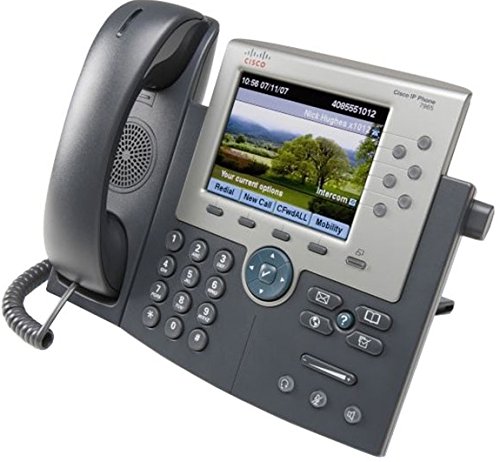
<a href="https://www.amazon.com/gp/product/B00VNMWRFK/">Grandstream GXP1625</a> for still pretty cheap. Let me
tell you how much easier it was to set up with both FreePBX and Hamshack Hotline! The phone has a
web interface, and it was a breeze to configure. I didn’t have to mess with XML files or TFTP
servers. I pointed the phone at Hamshack Hotline and my own experimental FreePBX server, and it just
worked. So much easier than the Cisco phone.</p>]]></content><author><name></name></author><summary type="html"><![CDATA[As a follow-up to my previous post on IP phones, I picked up a Grandstream GXP1625 for still pretty cheap. Let me tell you how much easier it was to set up with both FreePBX and Hamshack Hotline! The phone has a web interface, and it was a breeze to configure. I didn’t have to mess with XML files or TFTP servers. I pointed the phone at Hamshack Hotline and my own experimental FreePBX server, and it just worked. So much easier than the Cisco phone.]]></summary></entry></feed>